Phone photos in. Listing photography out.
Turn iPhone photos into hyper-realistic real estate photoshoots. Our AI model computes on the pixels instead of redrawing them. Save hundreds of dollars on professional photoshoots by taking the pictures quickly on your phone yourself.
No subscription · $1.00 a photo · Pay per batch
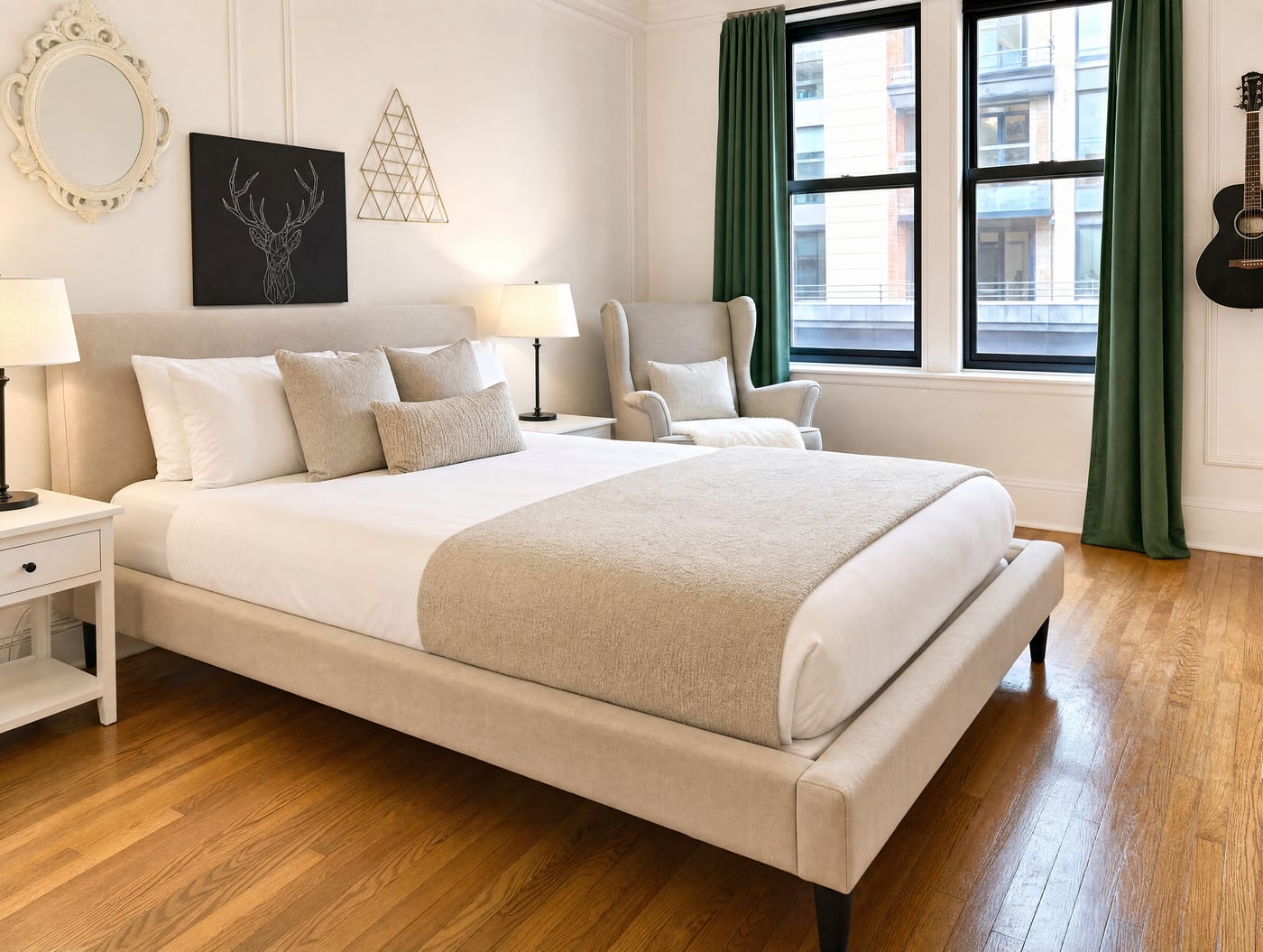
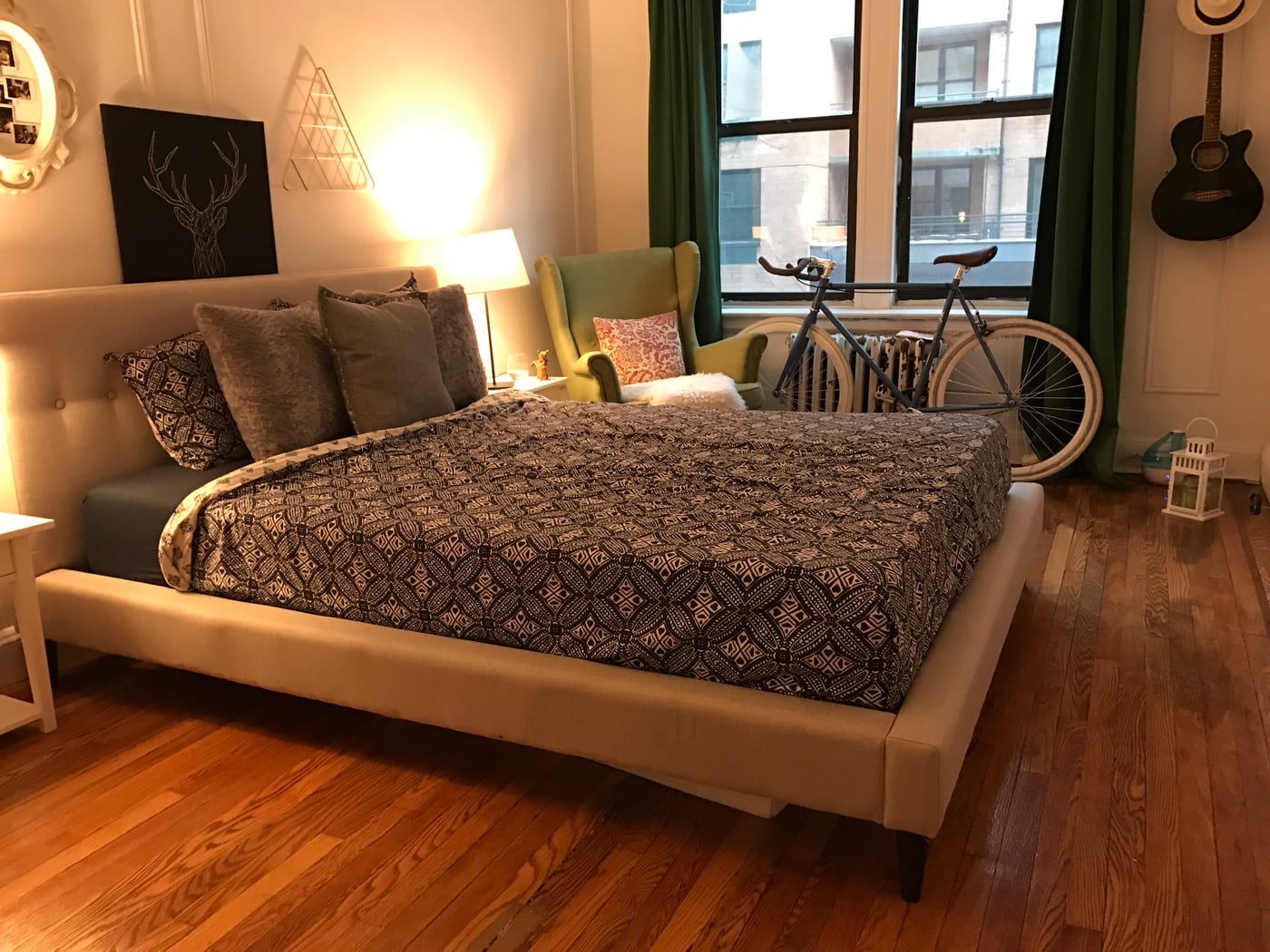
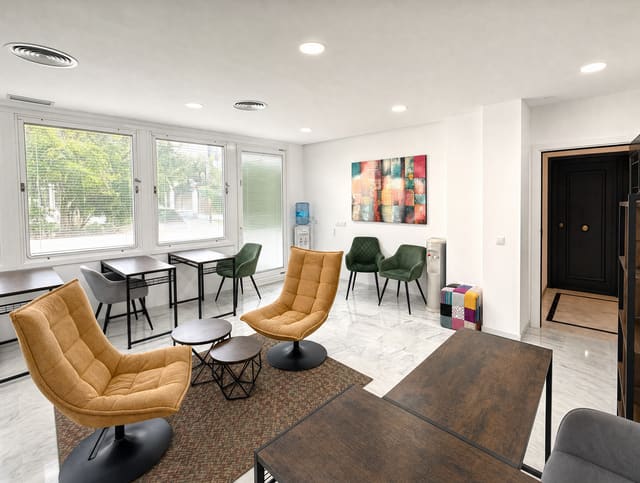
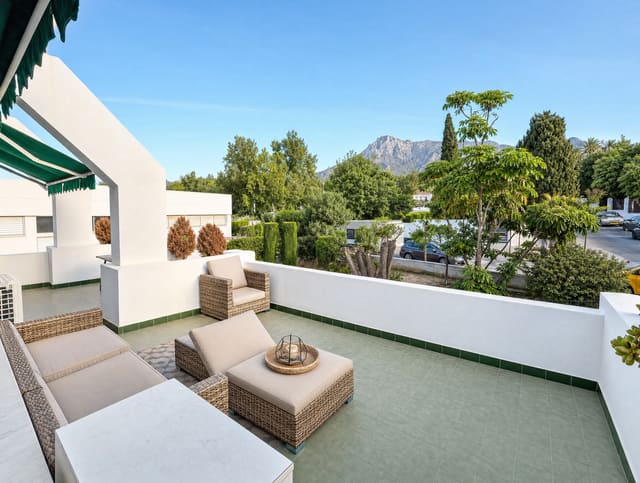
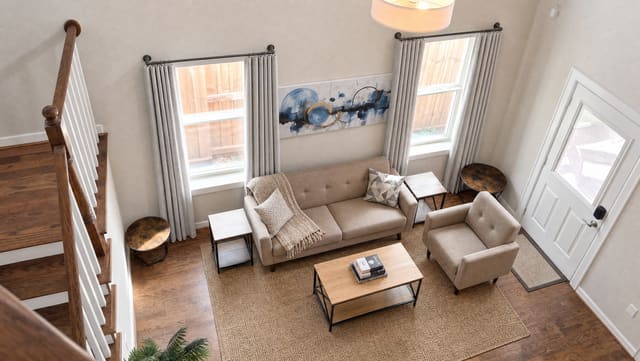
Hover to compare — a real listing photograph, reframed, relit and fully styled by the live pipeline. Nothing was reshot, and nothing structural moved: the windows, floor and walls are the pixels the camera wrote.
Your listings end up on these portals
- Idealista
- Zillow
- StreetEasy
- funda.nl
- Casafari
- Furnished Finder
- SubletNY
The problem
Great listings sell on their photographs. Hiring a photographer costs hundreds and takes days you don’t have — so most homes go online shot on a phone, in a hurry, in whatever light there was.
Walls lean inward because the camera tilted up. Wide lenses bow the straight lines near the frame edge. Interiors come out dim while the windows blow to white. And there is always a bin, a cable or a dish rack in shot.
The usual fixes are a retoucher at a day’s turnaround, or an image generator that hands back a smaller picture of a house that is not quite yours. Pictalens is built for the case in between: the whole shoot, corrected properly, before the listing goes live.
Recent work
Rooms we shot this week
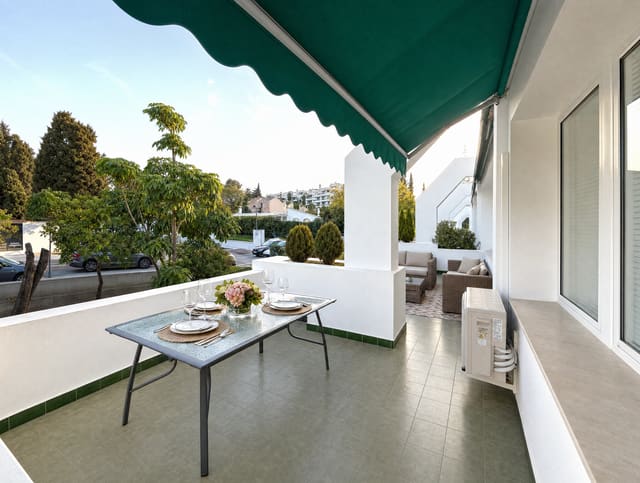
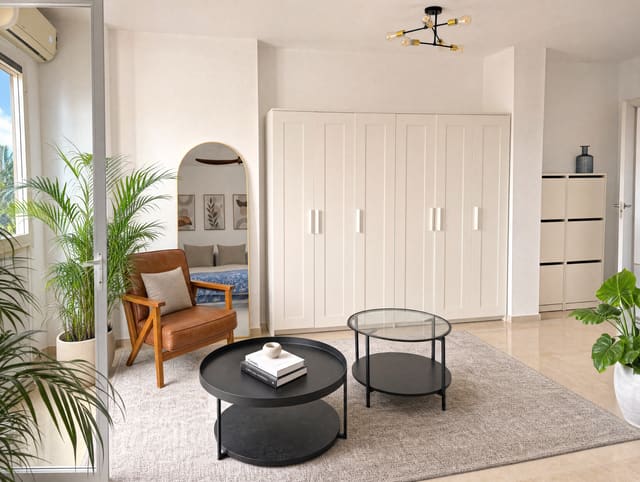
Every one is a phone photo on the right and the file we sent back on the left. Hover over any of them.
 Move
Move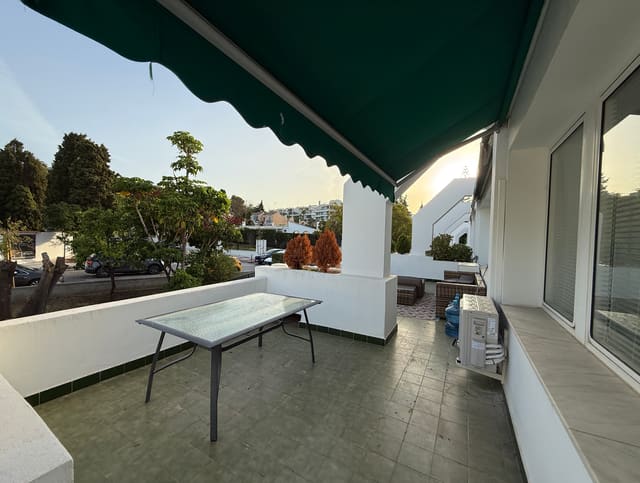
 Move
Move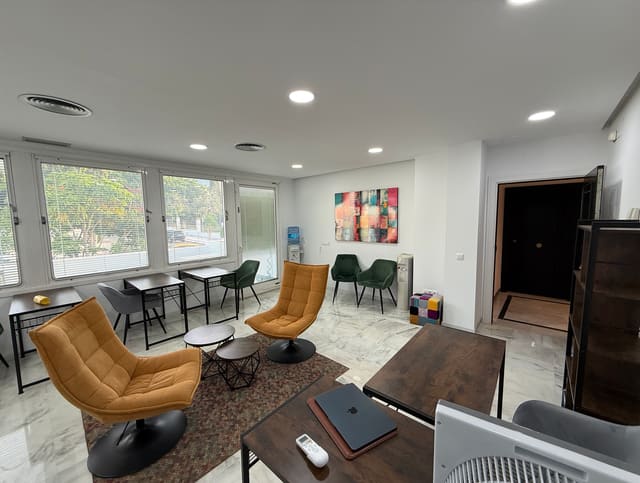
 Move
Move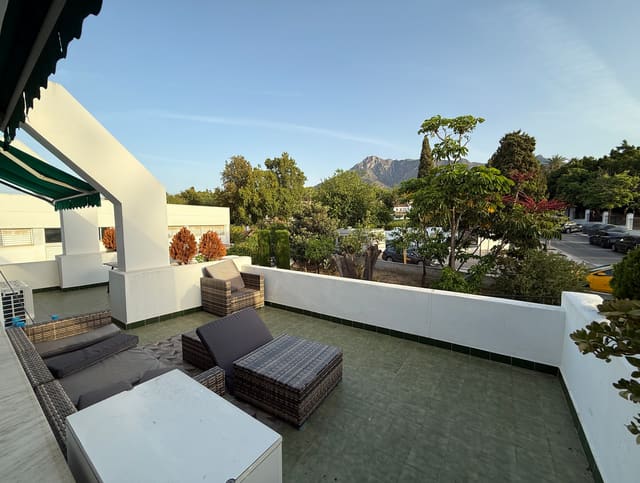
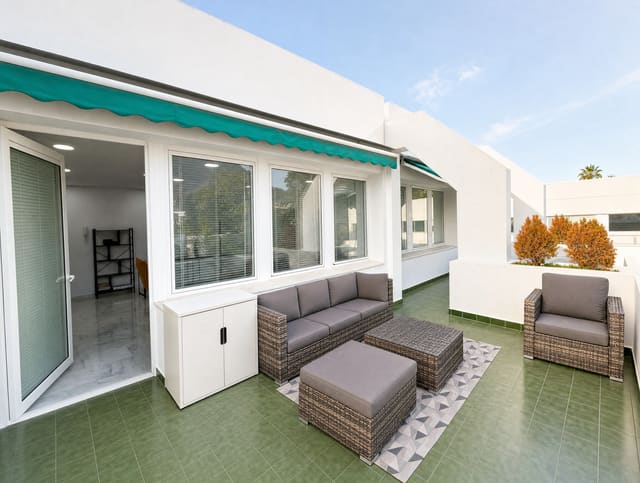 Move
Move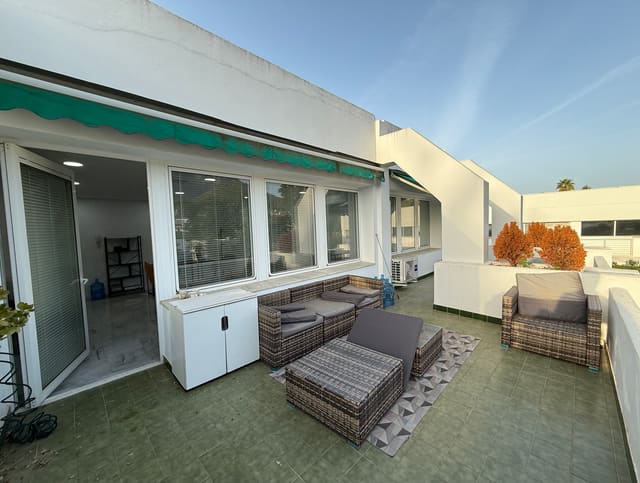
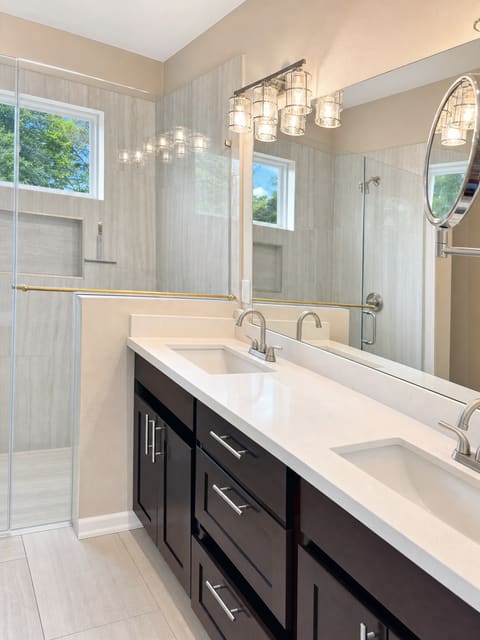 Move
Move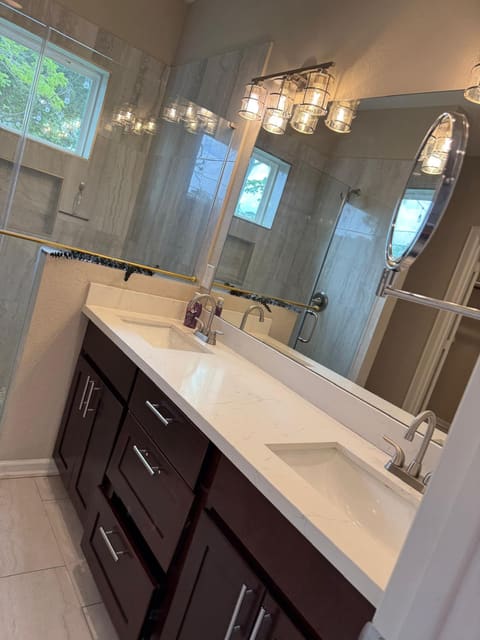
 Move
Move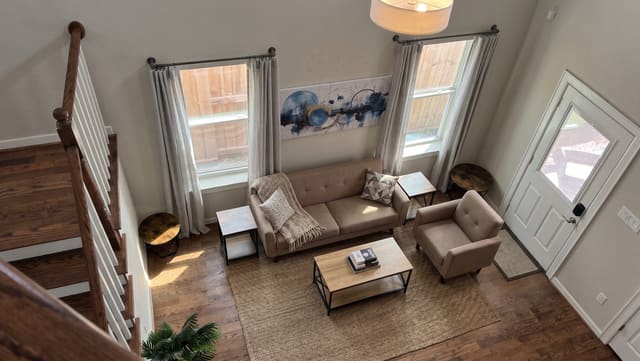
 Move
Move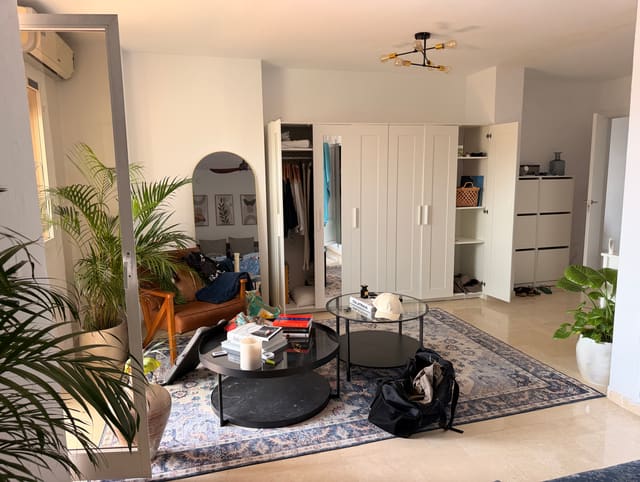
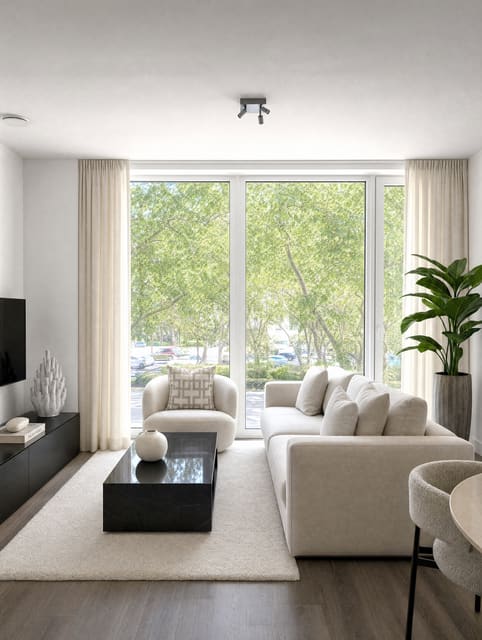 Move
Move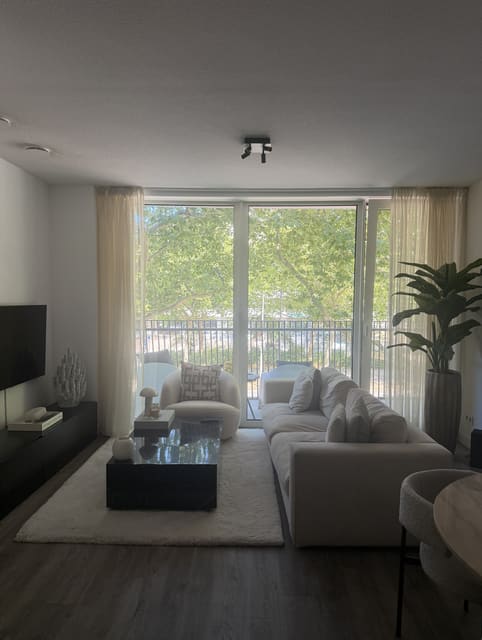
How it works
Three steps, then it runs without you
Upload, pay, and close the tab. The batch keeps going without you and lands in your inbox.
- 01
Drop the shoot in
Up to 40 photos a batch, straight from the camera roll. HEIC, JPEG, PNG and WebP, up to 25 MB each. Orientation is read from EXIF, so portraits stay portrait.
- 02
Pay for the batch
You see the exact total before anything runs — a dollar a photo, no subscription. Nothing is processed until the payment clears, and a photo that fails is never charged for.
- 03
Close the tab
Photos run one at a time in the background and we email you when they are done. You get a zip at full listing resolution, and every photograph stays viewable against its original.
Your next shoot could be done before you finish your coffee
Upload a handful of photos and judge the output yourself.
Before and after
The same room, photographed once
Nothing was reshot. Each pair is one camera file in, one Pictalens file out.
Room 1 of 11
Run your own photos through it
You will see the exact price before anything starts.
What you get
Every photo, corrected and staged
One pass, applied to every frame. There is nothing to configure and nothing to choose between.
Shot properly
The photograph you meant to take. Lens distortion undone, horizon levelled, verticals pulled parallel, exposure and white balance fixed, clutter cleared.
- Reframed as if the camera had been level and square to the room
- Exposure and white balance corrected in linear light
- Bins, cables and dish racks removed
Staged properly
The staging a photographer would do before the shoot — if they had the room and the budget. Included in every batch, at no extra cost.
- Wallpaper, panelling and tiling kept exactly as they are
- Clashing upholstery and rugs evened to a clean colour
- Patchy shadows lifted off walls and ceilings
- Beds remade in crisp white linen, pillows squared
- Dining tables laid with plates, cutlery and glasses
- Gardens and terraces tidied, lawns evened out
Why it’s different
Six decisions that are hard to copy
Most of this is engineering that happens before the model is ever called — which is exactly why the output holds up.
Shot from the right angle, after the fact
Tilt, roll and lens bow are not nudged — they are solved. A computed transform reprojects the frame as if the camera had been level and square to the room, in one inverse map and one resample however many corrections stack. A generator asked to “straighten this” guesses; this measures.
What can change, and what cannot
Staging is allowed to restyle furnishings, even out busy surfaces and dress a room. It is never allowed to alter the building: layout, dimensions, windows, doors, built-in fixtures and the view out of the window are off limits, and damp, cracks, rot and peeling paint are the property’s condition rather than mess. Those limits outrank every other instruction the model is given.
Full listing size, start to finish
Work happens at up to 8.3 megapixels — 3520 × 2352 — encoded at quality 92 with no chroma subsampling. Portals get the detail they ask for instead of an upscaled re-render.
Exposure done in linear light
Exposure and white balance are applied in linear space, where they model how much light actually hit the sensor. Shadow lift and highlight recovery are anchored so black stays black and blown windows come back without the HDR look.
Batches that actually finish
Photos run one at a time through a durable worker with retries and per-photo isolation. A failure takes down one frame, never the batch, and a job survives deploys, timeouts and a closed laptop.
Every change, visible side by side
Each photograph keeps its original alongside the result, so you can move across the two and see exactly what moved. Nothing is edited that you cannot check against the frame your camera captured.
See it on a room you know
No subscription. Pay for the batch in front of you.
What we never edit
The refusals are the product
Any tool can erase a stain. The question a buyer’s solicitor will ask is whether it erased a damp patch. Pictalens draws that line in the model’s instructions and enforces it in the mask: transient mess is cleared, and the property’s condition survives the edit exactly as photographed.
A coffee ring is mess. Water staining is condition. That distinction is the difference between staging a home and misrepresenting one, and it is not left to chance.
- Damp, mould and water damage
- Cracks, subsidence and structural defects
- Peeling or blistering paint, rot and wear
- Room layout, dimensions and sightlines
- Windows, doors and built-in fixtures
- The view out of the window
Every photograph is shown against the original, so anything the pipeline changed can be checked frame by frame before you publish it.
Pricing
Pay for the batch in front of you
No seats, no subscription, no credits to forecast. You see the total before anything starts.
No subscription
$0
to keep an accountNo seats, no monthly minimum, no credits to buy in advance or lose at renewal. You pay for the shoot you are running.
Per photo
Pay per batch$1.00
per photoFull listing resolution as a zip, with the original kept alongside each result. Frames that fail are never charged for.
A 20-photo shoot is $20. Full pricing detail
FAQ
Questions worth asking before you trust a tool with your listings
- Does Pictalens reduce the resolution of my photos?
- No. Corrections are applied at up to 8.3 megapixels — around 3520 × 2352 — which is full listing resolution for every major property portal. Geometry and lighting are computed on the pixels you uploaded rather than regenerated, so detail in brickwork, window frames and flooring survives intact.
- Can it fix a photo taken from a bad angle?
- Within the limits of what one photograph contains, yes. Pictalens reprojects the frame as if the camera had been level and square to the room: it removes camera roll, pulls converging verticals parallel, and undoes wide-angle lens bow, then crops to the largest clean rectangle. What it cannot do is move the camera — it cannot show you a wall that was behind the lens, and it will not invent geometry that was never photographed.
- Will it hide problems with the property?
- No, and this is deliberate. Damp, mould, water damage, rot, cracks, subsidence and peeling paint are treated as the property's condition and are never removed, even inside an edited region. Concealing them misrepresents the property to buyers. Transient mess — dishes, cables, laundry, scuffs — is cleared.
- How is this different from running photos through an image generator?
- A generator asked to improve a photo re-renders it and invents whatever it likes, including the building. Pictalens solves geometry and lighting mathematically first — the camera is reprojected as if it had been level and square, and exposure is corrected in linear light — so the room is already correct before the model sees it. The model then stages it under explicit limits: layout, dimensions, windows, doors, built-in fixtures and the view are never changed, and the property's condition is never concealed. Every batch ships with a per-photo record of exactly what changed.
- Do I have to disclose that photos were edited?
- Rules vary by market, but virtual staging is disclosable in most of them. Your batch keeps every original beside its edited version, so you can see precisely what changed and describe it accurately if you are ever asked.
- How long does a batch take?
- Photos are processed one at a time by a durable worker, at roughly 30 to 90 seconds each. A 20-photo batch is typically done in under half an hour, and you can close the tab — the job keeps running, we email you when it is finished, and the download stays live for 30 days.
- What happens if one photo fails?
- Only that photo. Each image is processed in isolation with automatic retries, so a single failure never takes down the batch. The zip is built from everything that succeeded and the report notes what did not.
- What does it cost?
- One dollar per photo, paid per batch. You see the exact total before anything starts, you are never charged for a frame that fails, and there is no subscription.
- Which file types can I upload?
- JPEG, PNG, WebP, AVIF and HEIC, up to 25 MB per file and 40 photos per batch. EXIF orientation is respected, so photos shot in portrait stay in portrait.
Get started
Put your next shoot through it
Upload a handful of photos and judge the output yourself. You will see the price before anything runs.